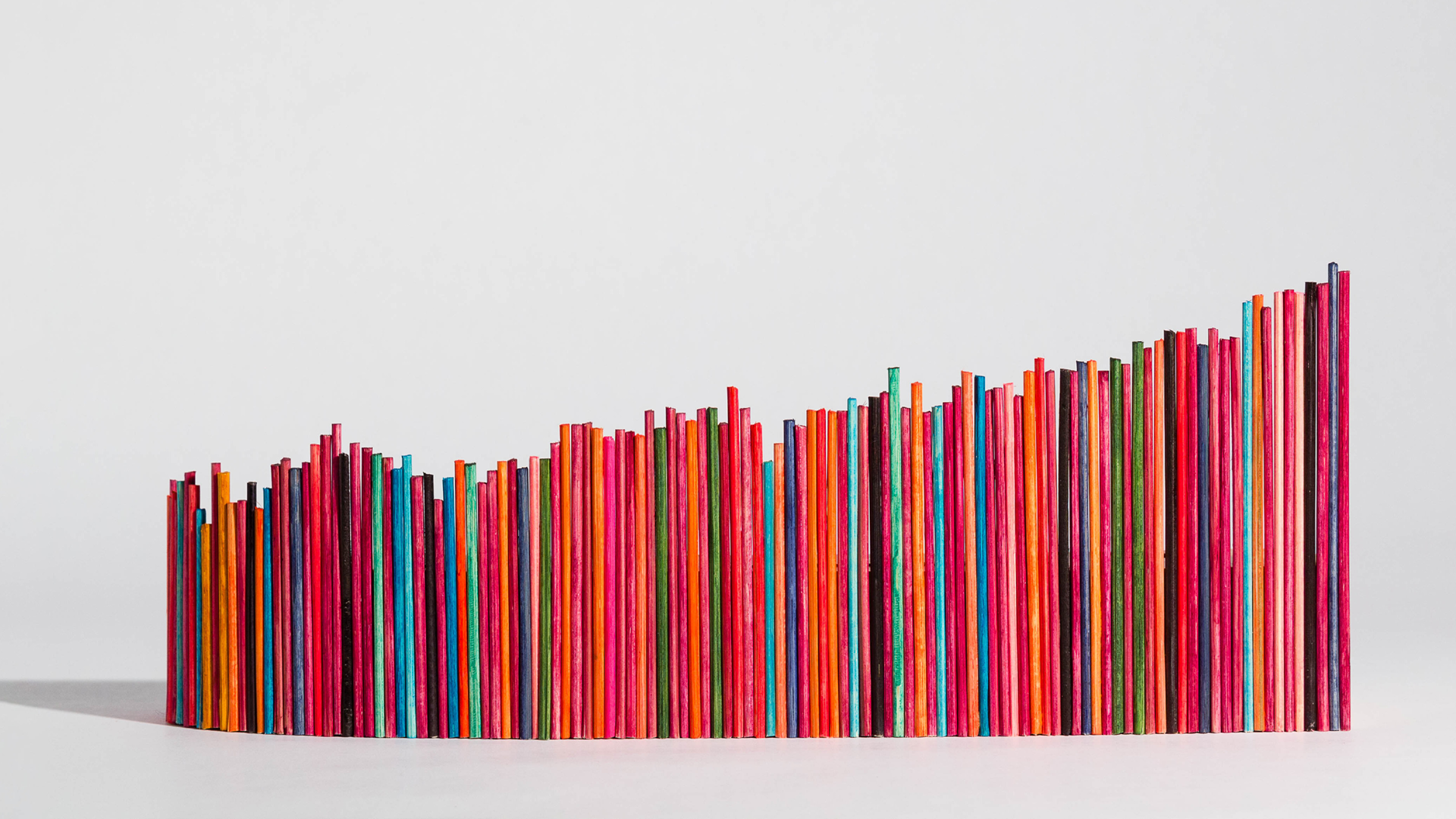
Agricultural Output Index (1848-1957) (detail), 2018.
Richard Ibghy & Marilou Lemmens
Stacking Crates to Reach a Banana
March 27—August 16, 2026
Flanagan Family Gallery
How are our bodies measured and valued?
How do we perform within systems that observe, record, and assign meaning to behaviour?
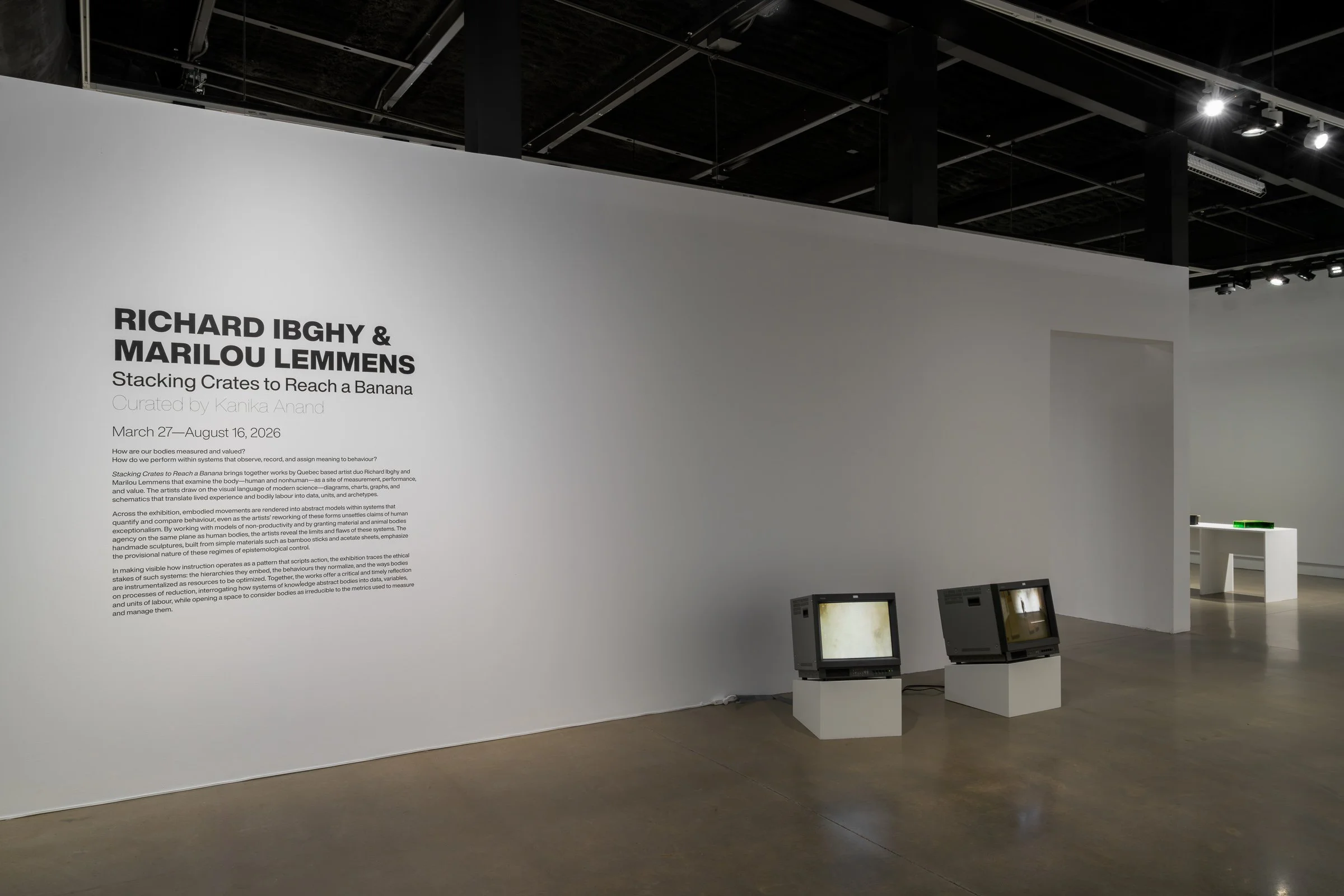
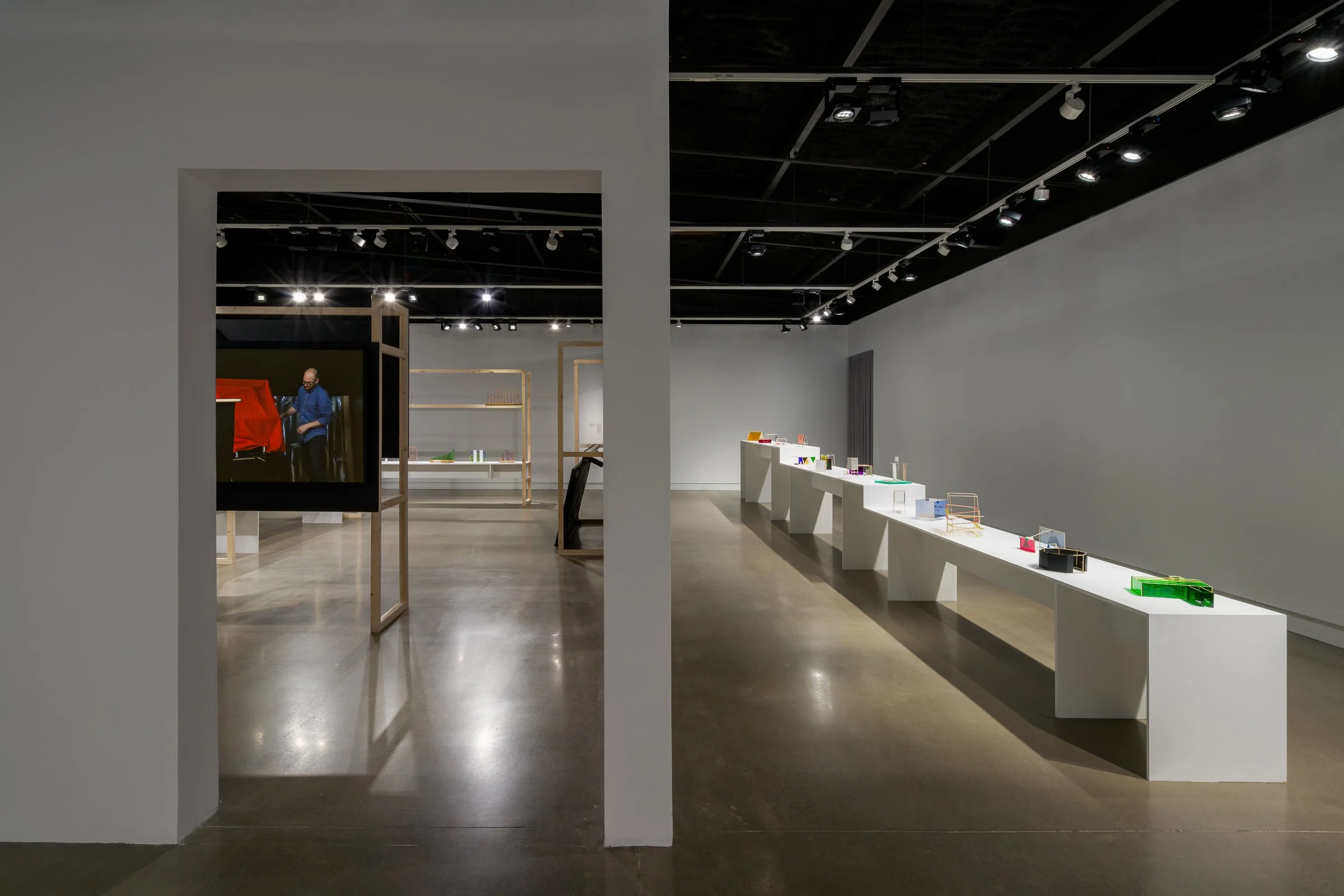
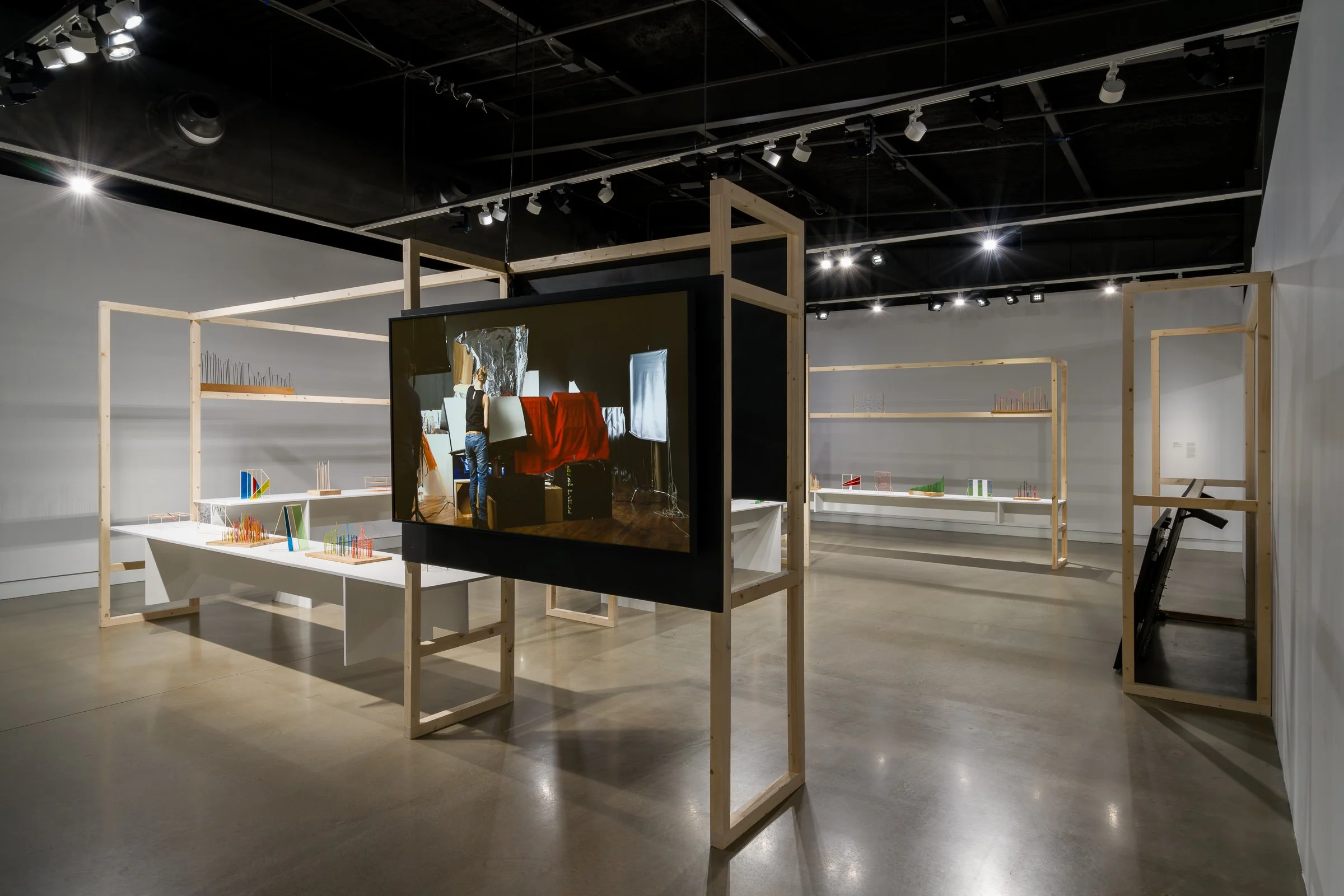
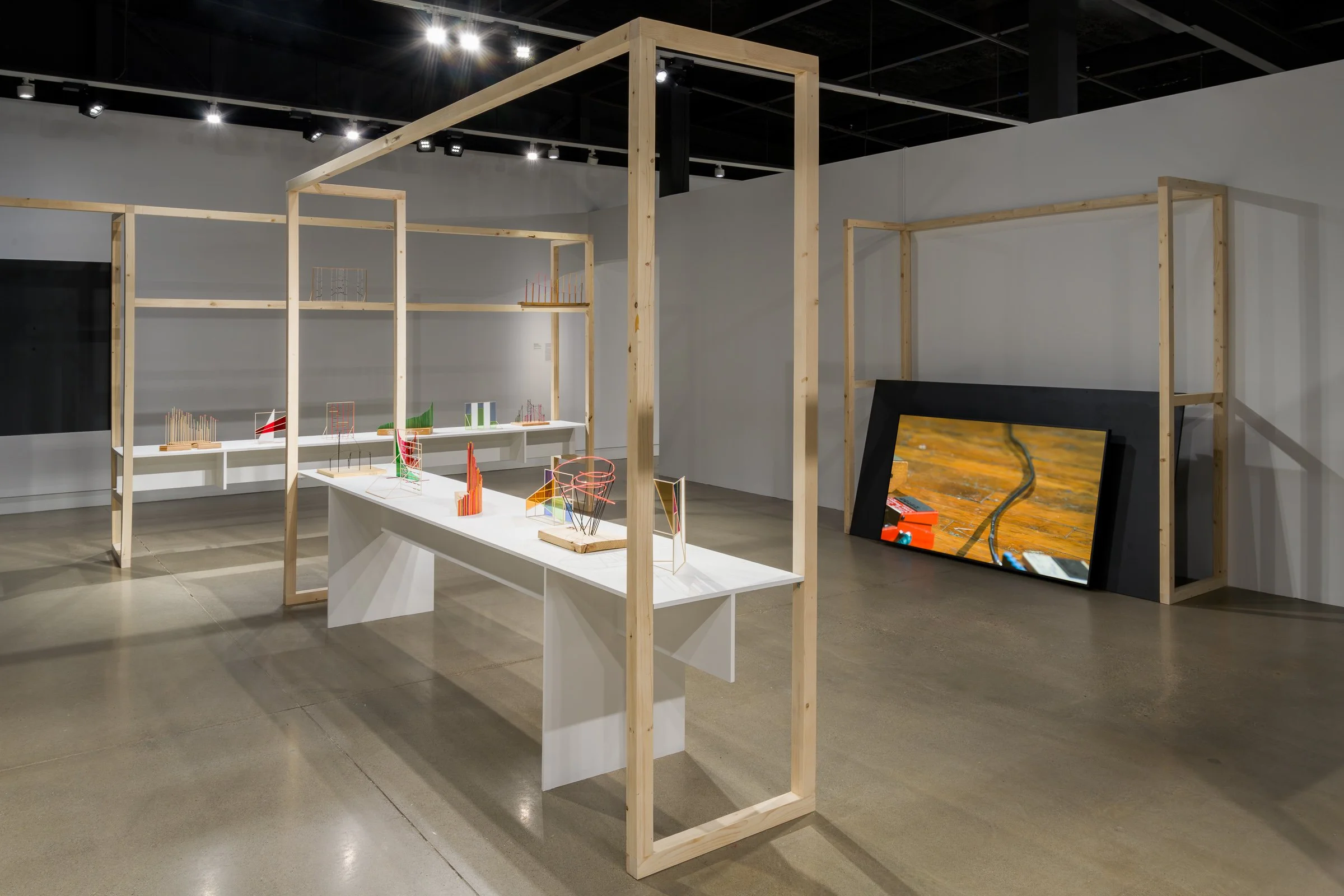
Stacking Crates to Reach a Banana by Quebec-based artist duo Richard Ibghy and Marilou Lemmens brings together works that examine the body—human and nonhuman—as a site of measurement, performance, and value. Their practice draws on the visual language of modern science—diagrams, charts, graphs, and schematics that translate lived experience and bodily labour into data, units, and archetypes. Across the exhibition, embodied movements are rendered into abstract models within systems that quantify and compare behaviour, even as the artists’ reworking of these forms unsettles claims of human exceptionalism.
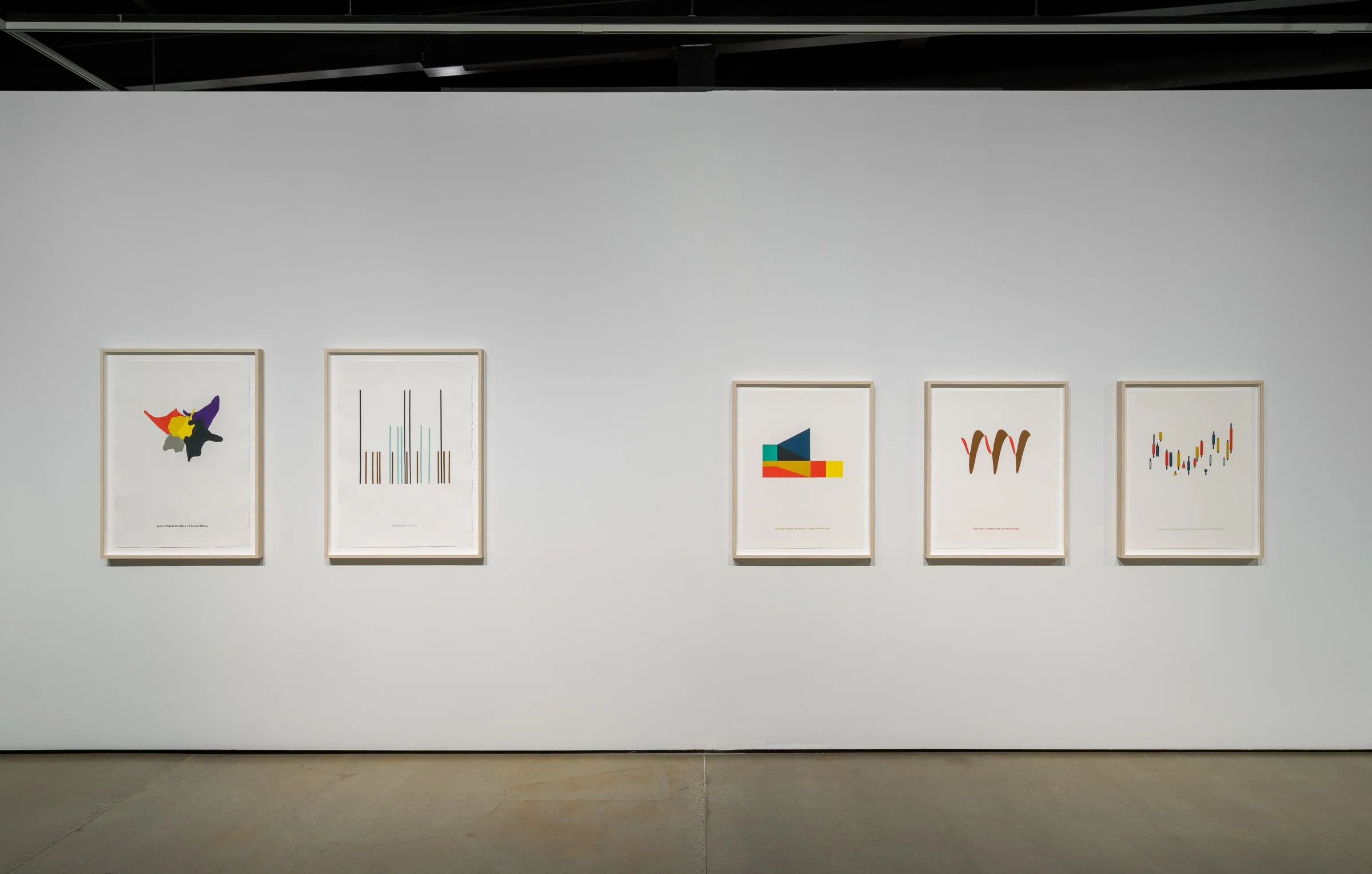
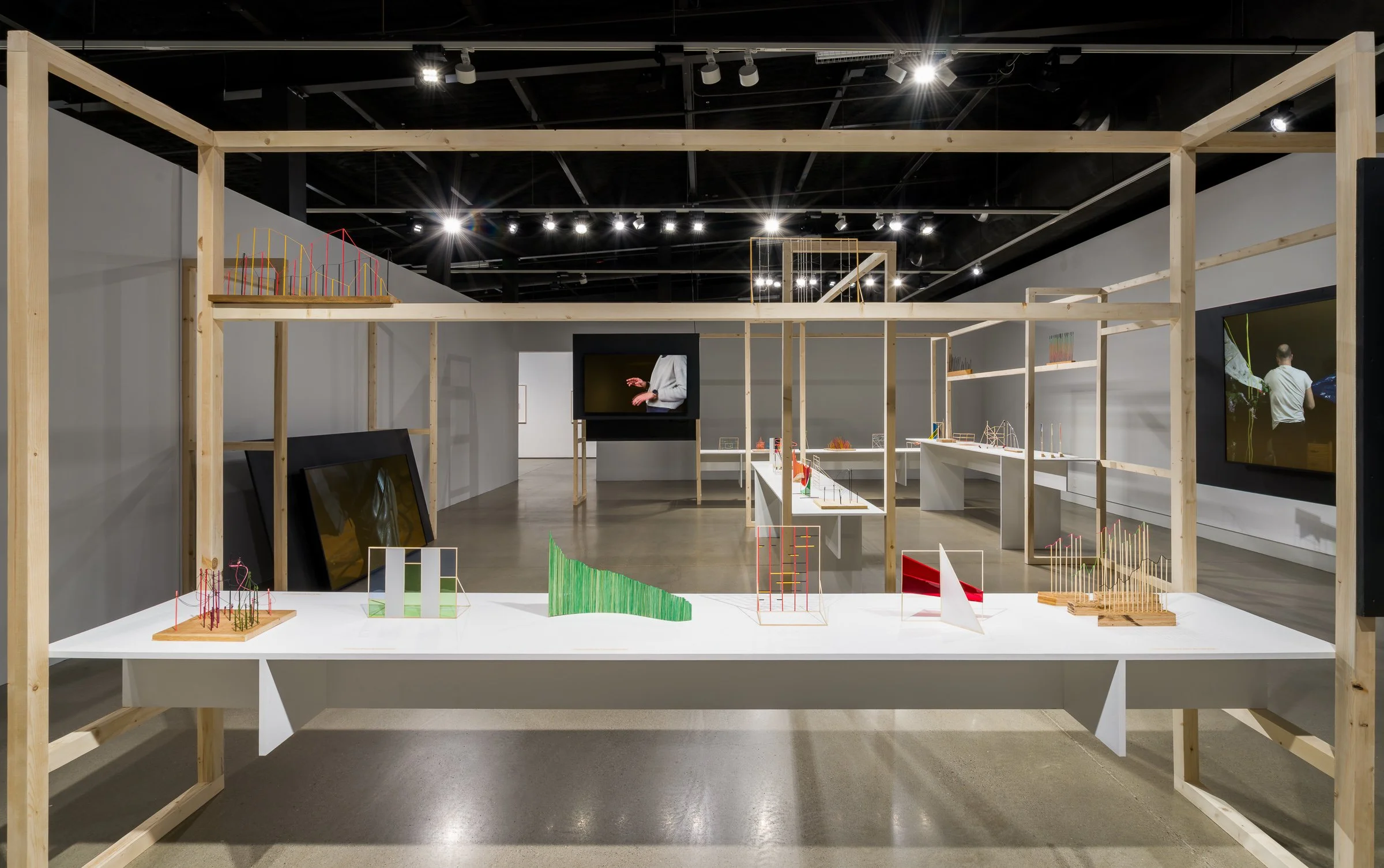
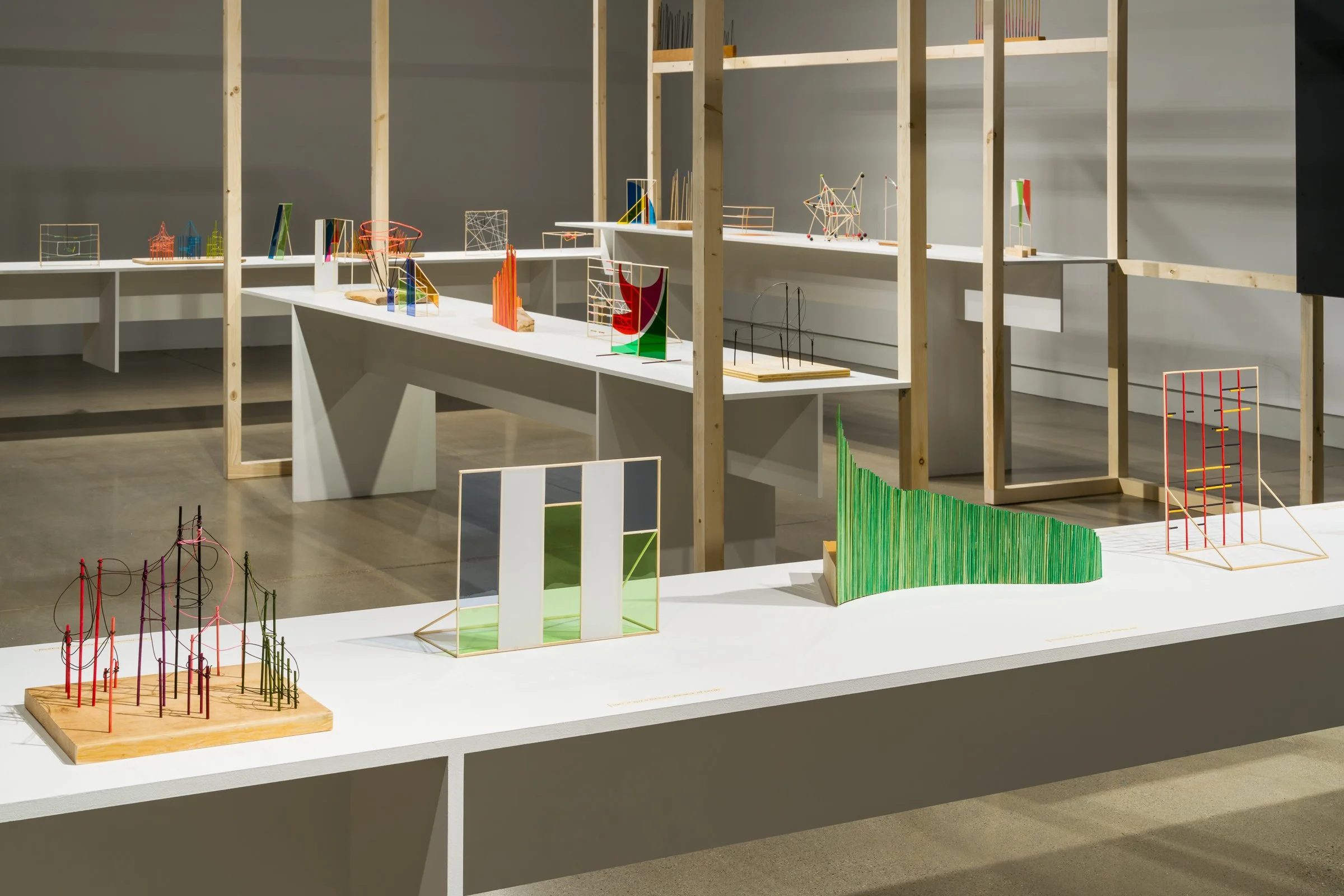
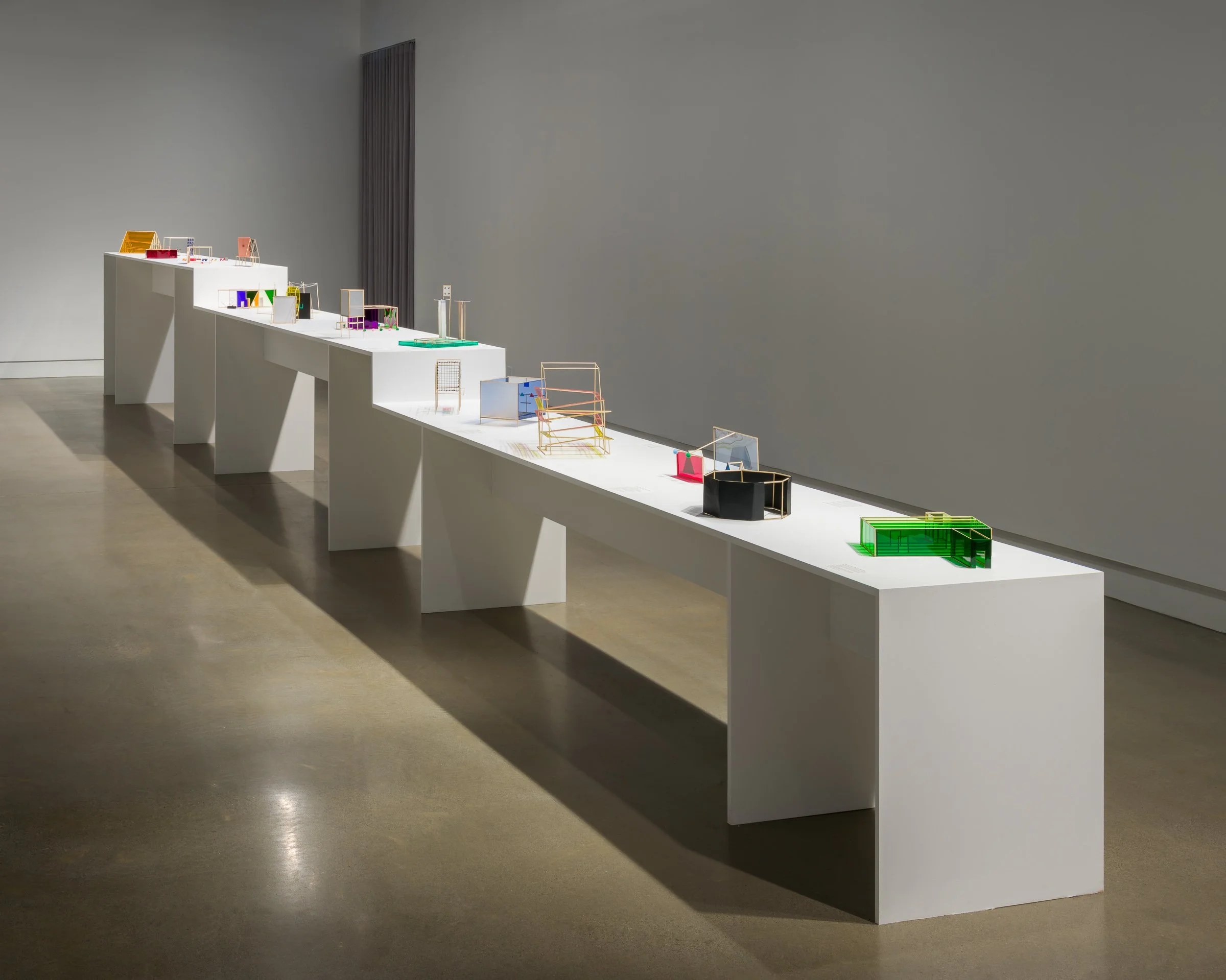
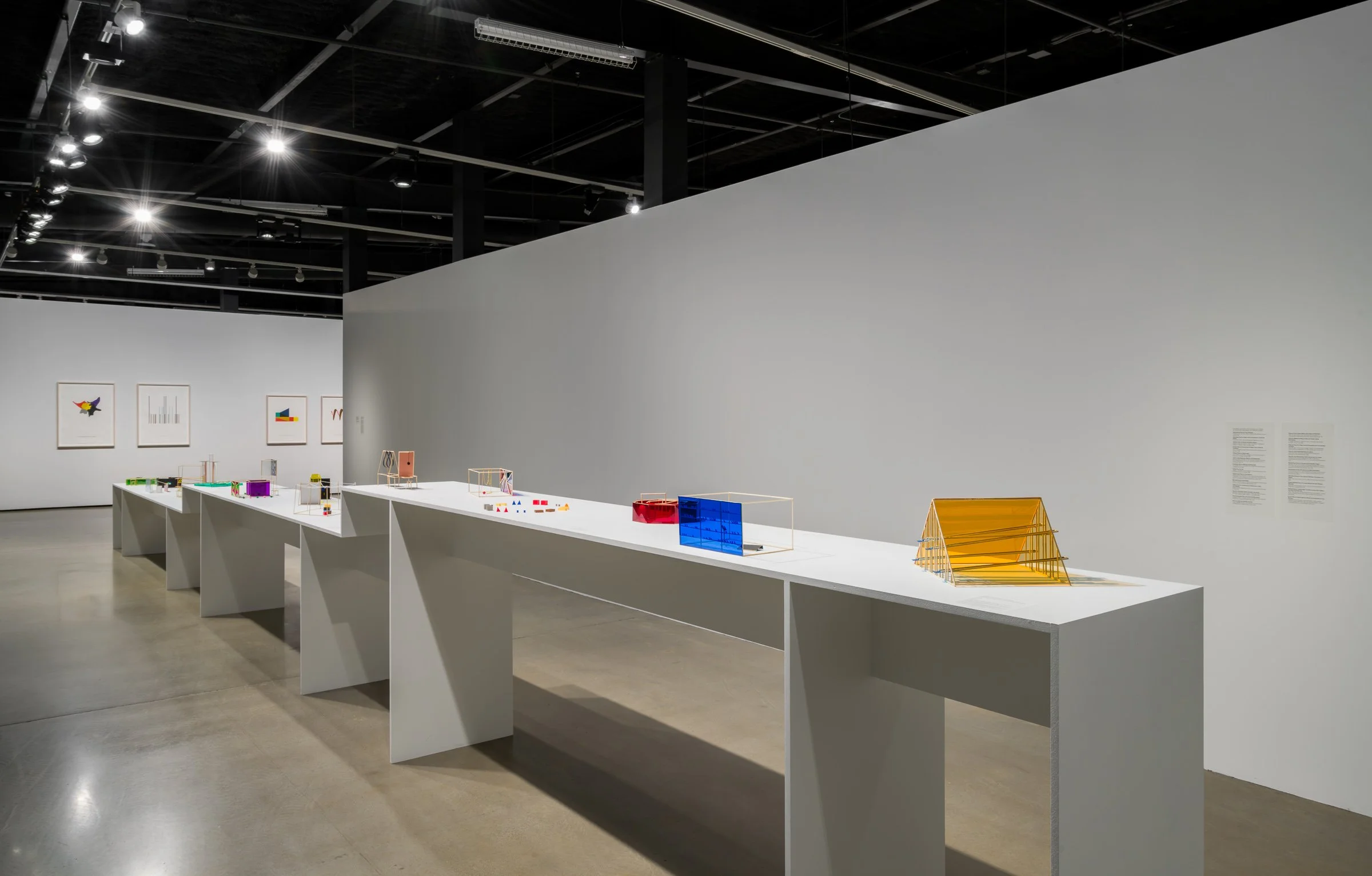
The two-channel video piece Taming Chance (2012) sets the tone for the exhibition, combining a sense of playfulness with serious inquiry. The artist-performers attempt to bring order out of chaos while they deliberately court risk through the manipulation of raw materials. The thirty architectural recreations that feature in the series Anthology of Performance Pieces for Animals (2018- present), cast animals as active performers within the framework of laboratory-based cognitive experiments done to study them. In another room is the series, Each Number Equals One Inhalation and One Exhalation (2016–present), that includes graphical representations of diagrammatic studies that illustrate human productivity and labour, drawn from disciplines ranging from work science, scientific management, economics and psychology. Punctuating these small, abstract sculptures are five videos from Is there anything left to be done at all? (2014), subtly evoking the presence of a tangible body, but through explorations of non-productive action. Staged during a residency at Trinity Square Video in Toronto that is dedicated to art production, Ibghy and Lemmens invited four artists to workshop the generative potential of improvisations and creative outflow, probing what forms of action or desire remain once goal, effort, and reward are uncoupled. Brought together in direct dialogue for the first time, the sculptures and videos form a pictorial architecture in themselves, paralleling the models they reference. In so doing, the artists intentionally orchestrate the viewing experience to disrupt how meaning is derived from patterns.
Further, by working with models of non-productivity and by granting material and animal bodies agency on the same plane as human bodies, the duo reveals the limits and flaws of these systems. The handmade sculptures, built from simple materials such as bamboo sticks and acetate sheets, emphasize the provisional nature of all regimes of epistemological control.
In making visible how instruction operates as a pattern that scripts action, the exhibition traces the ethical stakes of such systems: the hierarchies they embed, the behaviours they normalize, and the ways bodies are instrumentalized as resources to be optimized. Together, the works offer a critical and timely reflection on processes of reduction, interrogating how systems of knowledge abstract bodies into data, variables, and units of labour, while opening a space to consider bodies as irreducible to the metrics used to measure and manage them.
Curated by Kanika Anand.
Upcoming Programs
Program Archive
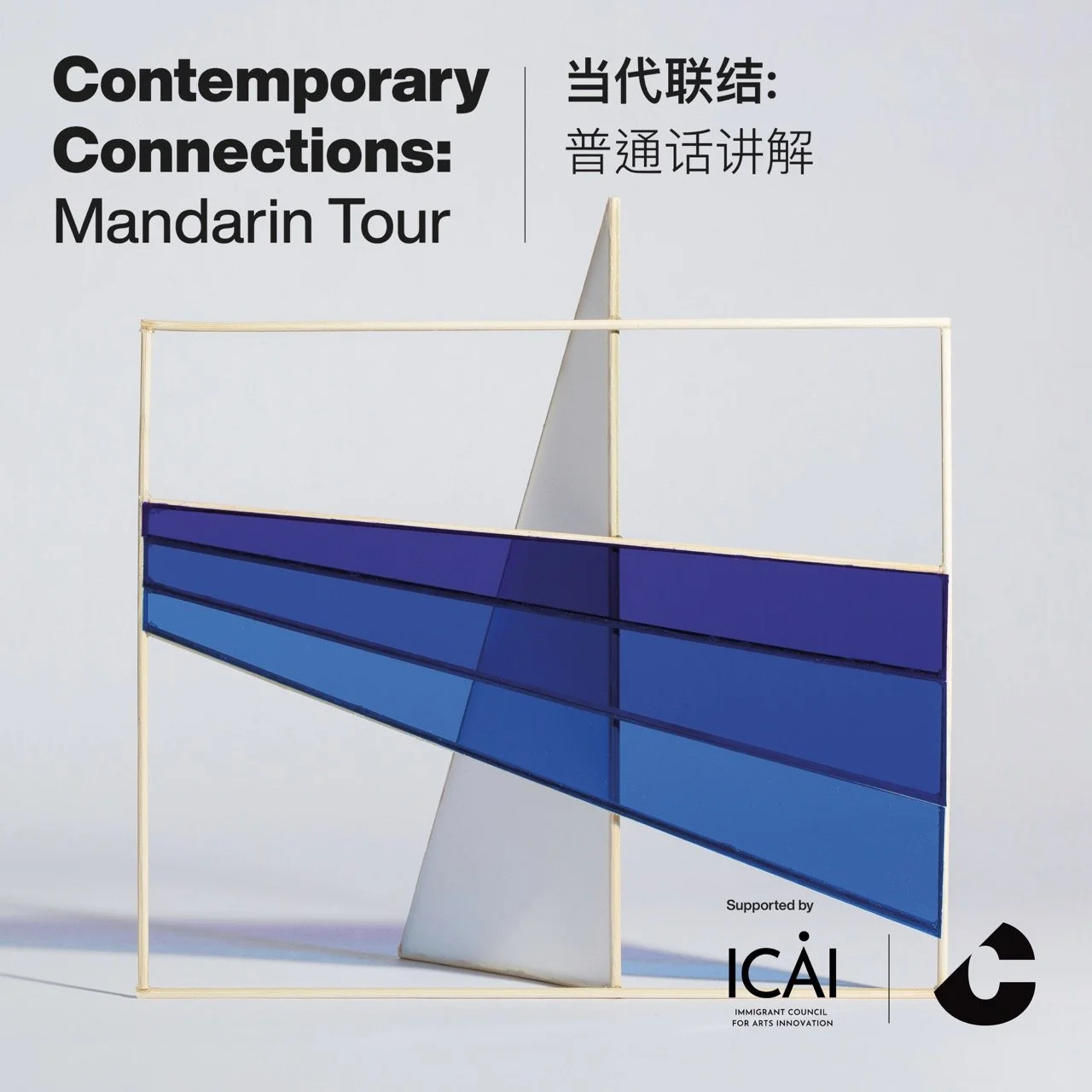
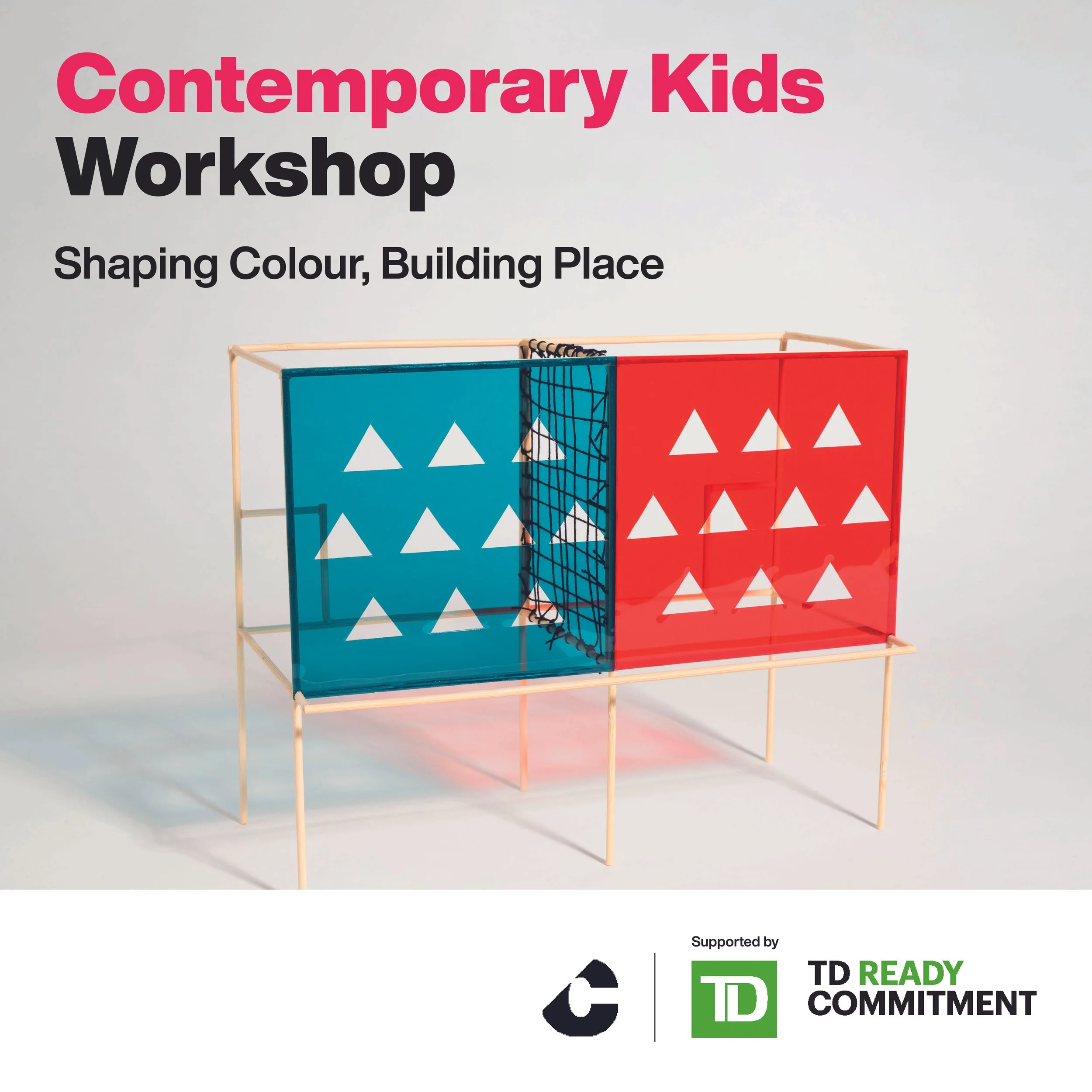
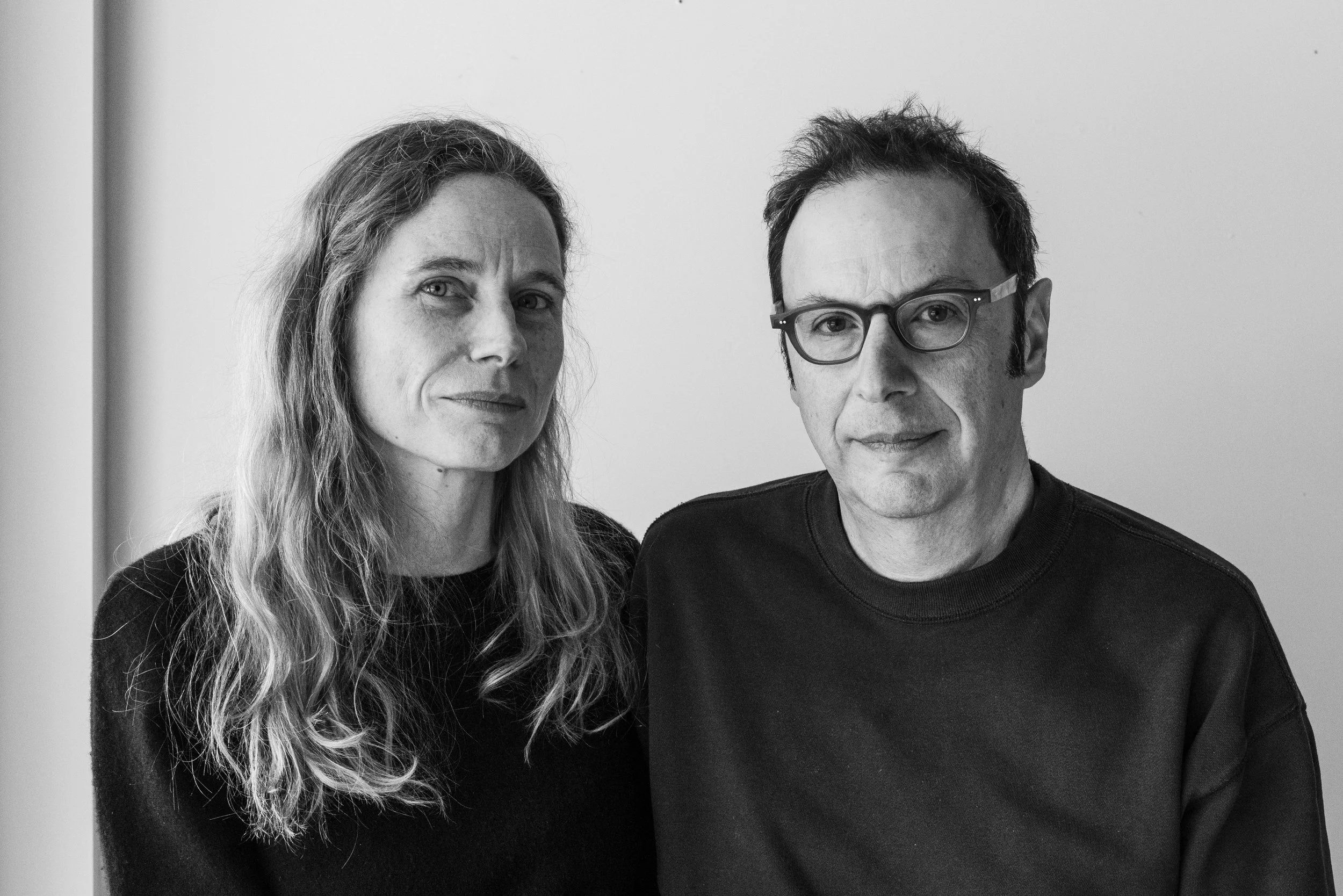
Photo by: Jean-Sébastien Veilleux
About the Artists
Richard Ibghy & Marilou Lemmens
The Canadian artist duo, Richard Ibghy and Marilou Lemmens, have been working together for over fifteen years. Their practice combines rigorous research with project-specific material exploration to examine issues at the intersection of ecology, economics, epistemology, and history. Their works take various forms, including installations, sculptures, videos, actions, artist's books, and public artworks.
They use documentary research, archives, and the act of going to see for themselves what is happening to create works that present themselves as historically and culturally situated studies of vocabularies, practices, and forms of thought. Their work then proceeds to conceptual shifts, inventing formal and performative devices that bring these abstract systems to concretion by confronting them with materials and the body.
Exploring epistemological questions related to quantification, classification, and representation procedures has led them to pay particular attention to the history and power of science and knowledge, including the language of economics, the aesthetics of data visualization, and the design of laboratory experiments. Their recent projects question the relationships humans have with nature and expand the concepts of hospitality, care, and communication between species.
Their work has been featured in solo exhibitions, group exhibitions, and international events, including at Movíl (Argentina); Jane Lombard Gallery (USA); the Ludwig Museum (Hungary); Fiskars Biennale (Finland); OFF-Biennale Budapest (Hungary); Columbus Museum of Art (USA); Musée d’art contemporain de Montréal (Canada); Visningsrommet (Norway); Bienal de Cuenca (Ecuador); Istanbul Biennial (Turkey); Morris and Helen Belkin Art Gallery (Canada); La Biennale de Montréal (Canada); Kunsthalle Mulhouse (France); Henie Onstad Kunstsenter (Norway), and Sharjah Biennial (United Arab Emirates).
They live in Durham-Sud (QC, Canada).